Шкафы купе под ключ in 2024: what's changed and what works
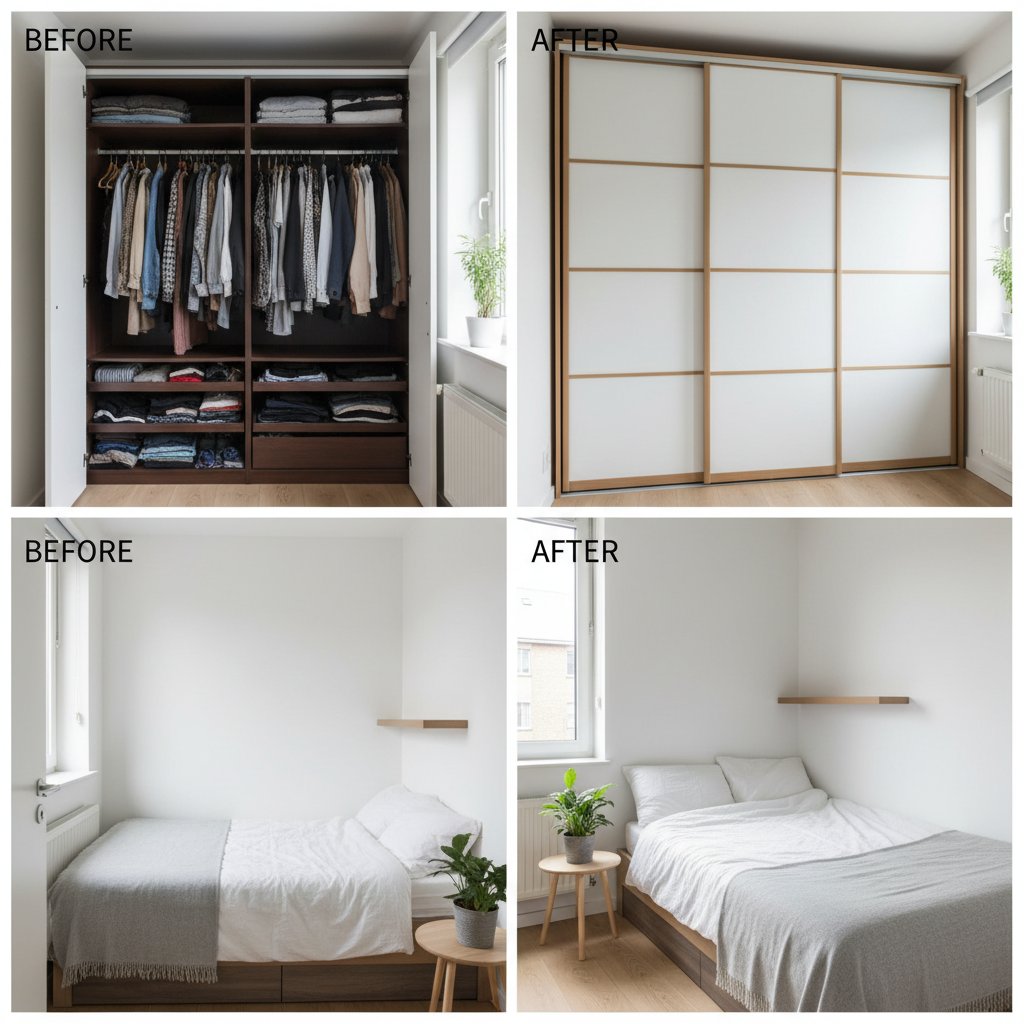
Built-in wardrobes have come a long way from those clunky, standard-sized closets your parents installed in the '90s. If you're thinking about getting custom sliding-door wardrobes installed in 2024, you're walking into a completely different landscape than even three years ago. Material costs have shifted, design trends have evolved, and the entire ordering process looks nothing like it used to.
Here's what actually matters when you're planning a turnkey wardrobe project this year.
1. Digital Planning Tools Have Replaced Guesswork
Remember when choosing a wardrobe meant squinting at catalog photos and hoping the salesperson understood your vision? Those days are done. Most reputable companies now offer 3D visualization software that lets you see your exact wardrobe configuration before anyone picks up a drill. You can rotate the view, change door colors, adjust shelf heights, and get a realistic preview of how that corner unit will actually fit in your bedroom.
The better systems even calculate the exact cost as you make changes. Add another drawer unit? The price updates instantly. Switch from standard melamine to textured finishes? You'll see the difference right there. This transparency has cut down on surprise costs by roughly 40% compared to traditional quote methods, and clients report feeling way more confident about their decisions.
Some companies have gone further, offering augmented reality apps that project the wardrobe into your actual room through your phone camera. Gimmicky? Maybe a little. But it beats staring at a tape measure trying to imagine whether 2.4 meters will feel cramped.
2. Lead Times Have Stabilized (Finally)
The chaos of 2021-2022 is over. Back then, you might order a wardrobe in March and still be living out of suitcases in July. Material shortages, shipping delays, and overwhelmed manufacturers turned every project into a waiting game.
In 2024, most custom wardrobe projects run on a predictable 3-4 week timeline from final approval to installation. Standard configurations with popular finishes? Some companies are hitting 2-week turnarounds. The supply chain has settled, manufacturers have caught up with demand, and the frantic "we'll call you when it's ready" approach has given way to actual schedules.
That said, if you're going exotic—say, imported glass panels or uncommon wood veneers—add another week or two. But at least you'll know upfront instead of getting strung along with vague promises.
3. Modular Internal Systems Are the New Standard
Fixed shelves are out. Way out. The wardrobes getting installed now feature adjustable internal systems that you can reconfigure without calling anyone back. Need to make room for longer coats this winter? Pull up a shelf. Got a new collection of handbags? Drop in another drawer unit.
These modular interiors typically use aluminum tracks or panel systems with tool-free adjustment. You're not stuck with whatever layout seemed reasonable on ordering day. Life changes—your storage should too. The smart manufacturers have figured out that selling adaptable systems means happier clients who actually recommend them to friends.
Pricing for these flexible systems has also dropped. What used to command a 30% premium over fixed installations now adds maybe 10-15% to your total cost. The technology has matured enough that it's becoming the default rather than the upgrade.
4. Soft-Close Everything Isn't Optional Anymore
If a company quotes you a wardrobe without soft-close mechanisms in 2024, walk away. Seriously. This technology used to be a luxury add-on, but it's now so standard that skipping it is basically a red flag about quality.
Modern sliding systems glide shut with barely a touch, and drawers close themselves the last two inches with a satisfying, silent ease. Beyond just feeling premium, these mechanisms actually extend the life of your wardrobe by eliminating the wear and tear from slamming.
You'll find soft-close on doors, drawers, pull-down clothes rails, and even shoe racks. The mechanism costs have dropped so much that including them barely affects the bottom line—usually under 5% of total project cost. Any installer not making this standard is either cutting corners or hasn't updated their offerings in five years.
5. Eco-Conscious Materials Are Gaining Real Traction
The "green" wardrobe options of the past often meant sacrificing aesthetics or paying double. Not anymore. Formaldehyde-free boards, water-based lacquers, and sustainably sourced materials have become competitive on both price and appearance.
European E0 standard boards (virtually zero formaldehyde emission) now cost within 8-10% of conventional materials. More clients are asking about certifications, and manufacturers have responded by making environmental specs readily available rather than buried in fine print. You can get a beautiful, durable wardrobe without turning your bedroom into an off-gassing chamber.
Some companies have started offering recycled aluminum for frame systems and handles. It performs identically to new aluminum but appeals to buyers who care about the full lifecycle of their purchases.
6. The Price Range Has Widened Considerably
You can spend anywhere from $800 to $5,000 on a 2.5-meter wardrobe in 2024, and that range reflects actual value differences rather than just markup games. Budget options have gotten surprisingly decent, while premium offerings justify their prices with features that weren't available at any price point a few years back.
Entry-level systems typically use standard melamine finishes, basic aluminum tracks, and straightforward layouts. Mid-range ($1,800-$3,000) gets you better materials, more customization, and those modular internals mentioned earlier. Premium territory brings in things like integrated LED lighting, mirror panels with anti-fog coating, and sophisticated drawer systems with felt lining.
The sweet spot for most people lands around $2,200-$2,800 for a well-equipped 2.5-meter unit. That budget gets you durability, flexibility, and finishes that won't look dated in three years.
7. Installation Quality Makes or Breaks Everything
The most brilliantly designed wardrobe becomes garbage if the installation team doesn't know what they're doing. Uneven floors, walls that aren't plumb, awkward ceiling heights—skilled installers handle these real-world conditions without breaking a sweat. Mediocre ones create gaps, wonky doors, and shelves that tilt like the Leaning Tower of Pisa.
Good companies send teams that have installed hundreds of units. They show up with laser levels, shims, and the experience to adapt on the fly. The installation typically takes 4-6 hours for a standard wardrobe, including cleanup. If someone quotes you 2 hours, they're either superhuman or planning to rush through details that matter.
Ask to see photos of completed installations in homes similar to yours. Better yet, ask if you can contact a recent client. Companies confident in their installation teams will happily connect you.
Custom sliding wardrobes in 2024 represent better value and more options than ever before. The technology has matured, the supply chain has stabilized, and buyers have enough information to make informed choices. Just skip the bottom-barrel options, avoid anyone promising miracles on impossible timelines, and you'll end up with storage that actually makes your daily life easier.