The real cost of Шкафы купе под ключ: hidden expenses revealed
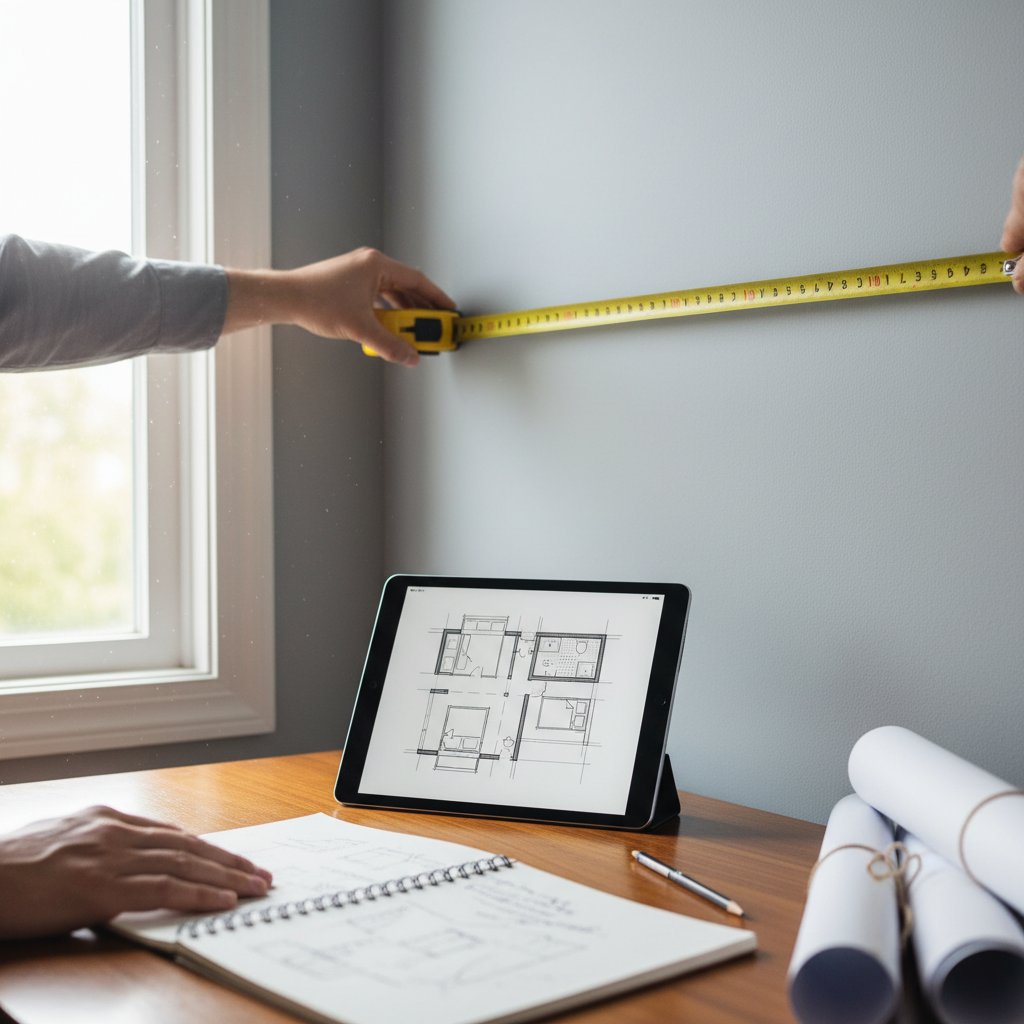
Maria thought she'd nailed the budget. After weeks of measuring her bedroom and browsing Instagram photos of sleek sliding wardrobes, she'd settled on a local carpenter who quoted her $1,200 for a custom шкаф купе. Three months later, she'd spent $2,400. The wardrobe looked beautiful, but her bank account told a different story.
Sound familiar? Built-in sliding wardrobes have become the go-to storage solution for anyone serious about maximizing space. They're elegant, practical, and supposedly "affordable." But here's the thing nobody tells you upfront: that initial quote is just the opening chapter of your financial commitment.
The Quote That Never Tells the Whole Story
Most contractors price their turnkey wardrobe projects using a square meter calculation. You'll see numbers ranging from $80 to $300 per square meter, depending on materials and complexity. Sounds straightforward, right?
Wrong.
That base price typically covers the carcass, doors, and basic installation. Everything else? That's where the meter starts running. A 2022 industry survey found that 73% of customers reported spending 40-80% more than their initial quote. We're not talking about luxury upgrades here—just the stuff you actually need for a functional wardrobe.
The Hidden Expense Lineup
Internal Organization Systems
Your beautiful wardrobe arrives as an empty box. Those Instagram photos with perfectly arranged shoes, pull-out trouser racks, and LED-lit shelves? Each component costs extra. A decent internal filling system runs $300-$800 depending on configuration. Shoe racks alone can add $150-$250. Soft-close mechanisms for drawers? Another $40-$60 per drawer.
Wall Preparation Nobody Mentions
Here's a fun surprise: your walls probably aren't ready. Contractors assume you have perfectly flat, reinforced walls. Most apartments built before 2010 don't. Wall leveling can add $200-$500 to your bill. If you're mounting floor-to-ceiling units, you might need ceiling reinforcement too—budget another $150-$300.
One installer told me: "I'd say eight out of ten jobs require some wall work. We mention it in the fine print, but clients rarely read that far."
The Electrical Rabbit Hole
Want interior lighting? Of course you do—you can't see your clothes without it. But adding electrical points means hiring a licensed electrician. That's $200-$400 for wiring and installation, assuming you don't need to run new cables through walls. Motion-sensor lighting systems can double that cost.
Delivery and Disposal
Most quotes assume you live on the ground floor with parking right outside. You don't. Delivery fees range from $50 for local jobs to $300 for locations outside the contractor's usual radius. Stairs? Add $30-$50 per floor. Removing your old wardrobe and hauling it away costs another $80-$150.
Material Upgrades That Aren't Really Optional
The base quote uses chipboard or basic MDF. Will it work? Sure. Will it last more than five years under daily use? That's optimistic.
Moisture-resistant materials add 25-35% to material costs but prevent sagging shelves and warped doors. Mirror panels on doors look standard in photos, but good-quality mirrors with safety backing cost $100-$200 per panel extra. That cheap aluminum track system? It'll start squeaking within six months. Quality German or Italian hardware adds $150-$250 but actually glides smoothly.
According to furniture industry data, wardrobes built with budget materials require repairs or replacement within 3-4 years. Mid-grade materials last 8-12 years. Do the math on what's actually economical.
Timeline Costs You Can't See
Most projects take 4-6 weeks from order to installation. During that time, your bedroom looks like a construction zone. Many people end up paying for temporary storage ($100-$200 monthly) or eating out more because their living space is disrupted (easily $300-$500 extra for a month).
Rushed timeline? Expect to pay 15-20% more for priority manufacturing and installation.
What Smart Buyers Actually Do
The people who avoid budget shock follow a simple formula: take the initial quote and add 50%. That's your real budget. If you can't afford that number, you can't afford the project yet.
Get itemized quotes that break down every component. Ask specifically about wall preparation, electrical work, and delivery. Request material specifications in writing—not just "MDF" but thickness, density, and moisture rating.
One experienced buyer shared: "I made contractors show me finished projects from two years ago and talk to those clients. Best decision ever. You learn what actually holds up."
Key Takeaways
- Expect to spend 40-80% more than the base quote once all components are included
- Wall preparation, electrical work, and internal organization systems are rarely included in initial pricing
- Budget materials save money upfront but cost more in replacements within 3-4 years
- Always request itemized quotes with specific material grades and hardware brands
- Add a 50% buffer to any initial quote to determine your true project budget
Custom sliding wardrobes transform spaces. They're worth the investment when done right. Just go in with your eyes open and your calculator ready. That Instagram-perfect closet costs real money—make sure you know exactly how much before the first panel gets cut.